 (opens the full-size plate in a new tab)
Sink Hole Sam
Aquatic Cryptid / Hoax
Ernest Alva Dewey wrote it as satire and classified it as a Foopengerkle.
A massive, snake-like aquatic anomaly whose origins stem directly from the satirical 'foopengerkle' newspaper columns of a 1950s journalist.
Etymology. Affectionately dubbed 'Sink Hole Sam', it was officially classified as a 'Foopengerkle' or 'Ball-tailed Snickelhoopus' by humorous local journalist Ernest Alva Dewey.
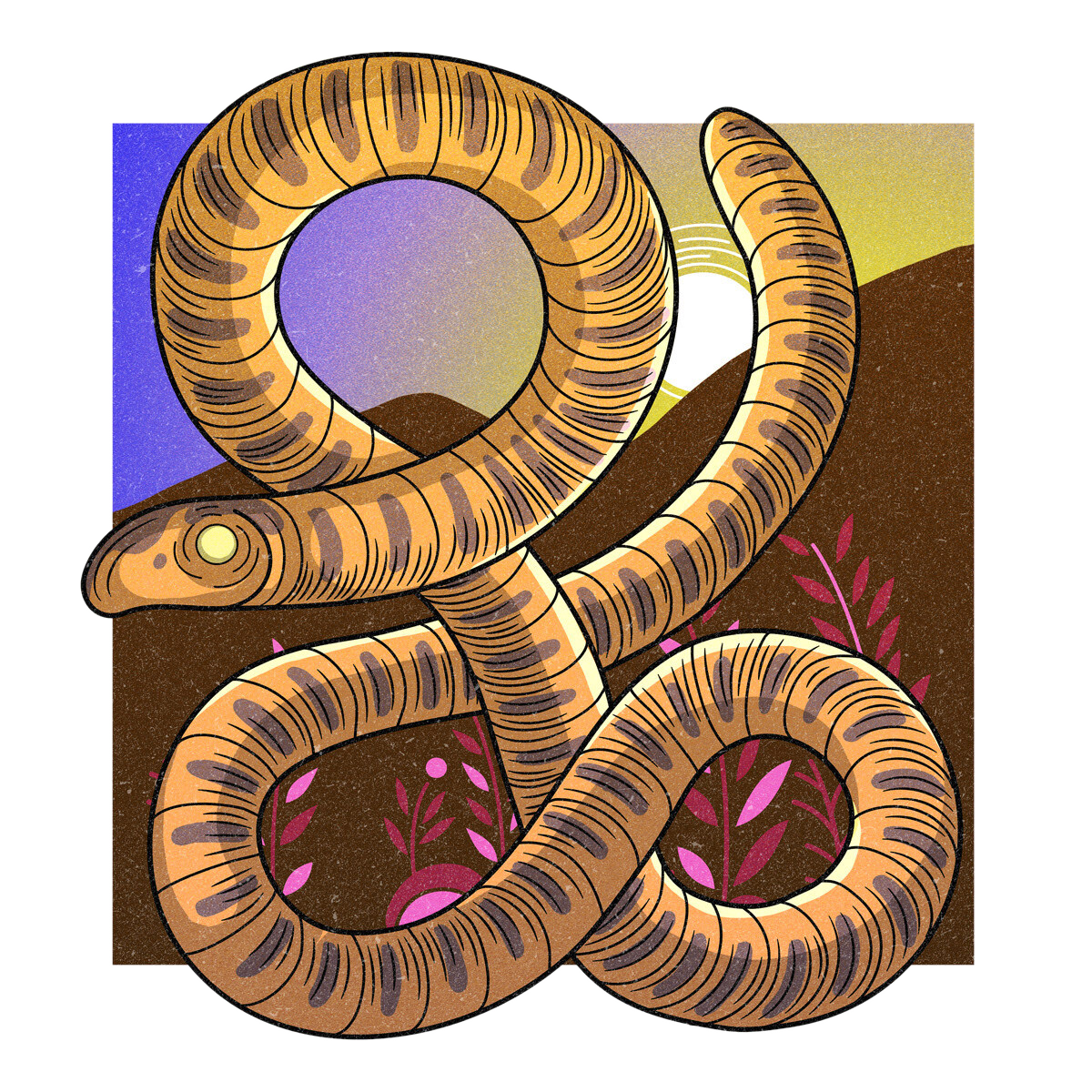
Anatomy. An eel-like or snake-like creature measuring 15 feet in length and twenty-one inches thick. It features a flat head, a long dorsal fin, a distinctively fluted tail, and a wide, Cheshire-like grin.
Ecology. Reported initially in a drought-dried, 100-acre sinkhole near Inman, Kansas. By the 1960s, the legend relocated geographically to the swampy environments of Kingman State Lake.
Behavior. It undulates through the water in a snake-like fashion. Initially described as a harmless, terribly dumb vegetarian by its satirical creator, later adaptations reported it actively tripping horses and dragging calves into the swamp.
Mythology. Though supposedly spotted by two Mennonite fishermen, the legend was aggressively popularized by Ernest Alva Dewey's satirical articles in the 1950s, which facetiously claimed the extinct creature was responsible for UFO sightings. Despite its fictional roots, the creature spurred massive local monster-hunting tourism.